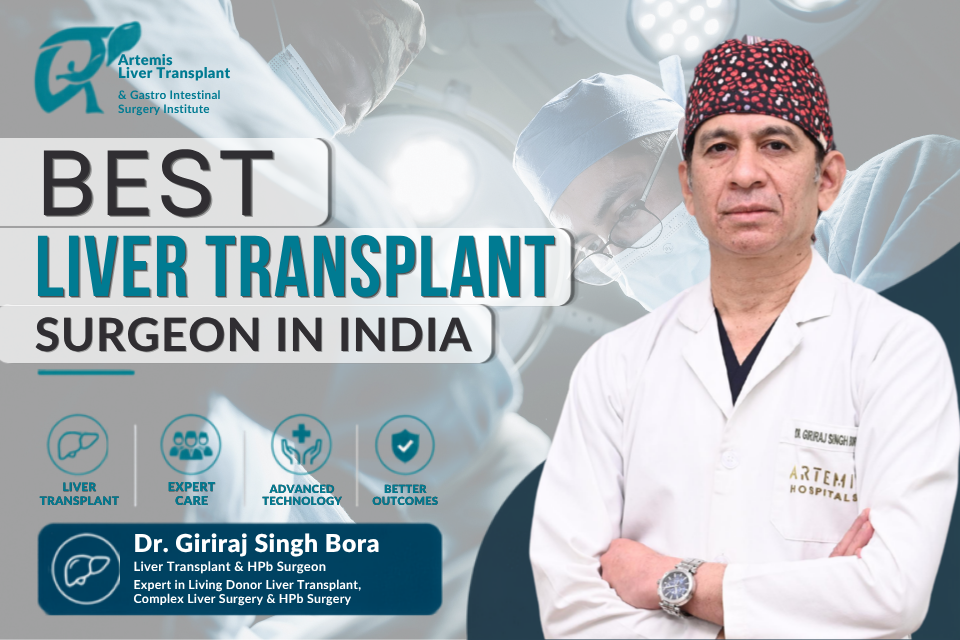
A liver transplant is one of the most advanced and life-saving surgical procedures available today. Choosing the best liver transplant surgeon in India can significantly improve the chances of a successful surgery, faster recovery, and long-term health. India has become a leading destination for liver transplantation due to its experienced surgeons, modern hospitals, advanced technology, and affordable treatment compared to many other countries.
If you or your loved one has been advised to undergo a liver transplant, this guide will help you understand what to look for in a surgeon and why selecting the right specialist is one of the most important decisions you can make.
Why Choosing the Right Liver Transplant Surgeon Matters
A liver transplant is a complex procedure that requires exceptional surgical skill, multidisciplinary coordination, and comprehensive post-operative care. An experienced liver transplant surgeon can help minimize complications, improve graft survival, and support better long-term outcomes.
The right surgeon will not only perform the surgery but also evaluate whether transplantation is appropriate, explain the risks and benefits, and guide you through recovery.
Qualities of the Best Liver Transplant Surgeon in India
1. Extensive Experience
Choose a surgeon who has successfully performed a large number of liver transplant surgeries, including both living donor and deceased donor transplants.
2. Specialized Training
A qualified liver transplant surgeon should have advanced training in hepatobiliary surgery and liver transplantation from reputed institutions.
3. High Success Rates
Success rates depend on many factors, but experienced transplant centers with skilled surgeons generally achieve excellent patient and graft survival.
4. Multidisciplinary Team
Successful liver transplantation requires collaboration between hepatologists, anesthesiologists, intensivists, transplant coordinators, nutritionists, and rehabilitation specialists.
5. Advanced Technology
Modern transplant centers use advanced imaging, minimally invasive techniques where appropriate, dedicated transplant ICUs, and comprehensive infection control protocols.
Conditions That May Require a Liver Transplant
A liver transplant may be recommended for patients suffering from:
- Liver Cirrhosis
- Chronic Liver Failure
- Acute Liver Failure
- Hepatitis B or C-related Liver Disease
- Fatty Liver Disease (NASH)
- Autoimmune Liver Disease
- Biliary Atresia
- Certain Liver Cancers
- Metabolic Liver Disorders
Early evaluation often improves treatment options and outcomes.
Why India is a Leading Destination for Liver Transplant Surgery
India has earned a strong international reputation because of:
- Highly experienced liver transplant surgeons
- International-standard hospitals
- Advanced surgical infrastructure
- Affordable treatment costs
- Excellent post-operative care
- Dedicated international patient services
Patients from Asia, Africa, the Middle East, Europe, and other regions travel to India for liver transplantation.
Meet Dr. Giriraj Singh Bora
Dr. Giriraj Singh Bora is one of India’s respected liver transplant and HPB (Hepato-Pancreato-Biliary) surgeons. He has extensive experience in living donor liver transplantation, deceased donor liver transplantation, complex liver surgeries, pancreatic surgery, and biliary surgery.
His approach combines surgical precision with personalized patient care, ensuring that every patient receives a comprehensive evaluation and customized treatment plan. His commitment to clinical excellence and patient safety has earned the trust of patients from across India and abroad.
Living Donor vs Deceased Donor Liver Transplant
Living Donor Liver Transplant
A healthy family member donates a portion of their liver. Both the donor’s and recipient’s liver regenerate over time.
Benefits
- Shorter waiting time
- Planned surgery
- Better outcomes in selected patients
Deceased Donor Liver Transplant
The liver is donated by a brain-dead donor after consent.
Benefits
- No risk to a living donor
- Suitable for many patients based on organ availability
What Happens Before Liver Transplant Surgery?
Before surgery, patients undergo detailed evaluation including:
- Blood tests
- CT or MRI scans
- Liver function tests
- Cardiac evaluation
- Pulmonary assessment
- Infection screening
- Nutritional evaluation
- Psychological assessment
These investigations help determine whether transplantation is the safest and most appropriate treatment.
Recovery After Liver Transplant
Recovery usually involves:
- ICU stay for close monitoring
- Hospital stay of approximately 2–3 weeks (varies by patient)
- Regular follow-up visits
- Lifelong immunosuppressive medication
- Healthy diet and lifestyle
- Routine blood investigations
Most patients gradually return to normal daily activities over the following months under medical supervision.
Questions to Ask Before Choosing a Liver Transplant Surgeon
- How many liver transplants have you performed?
- What is your team’s experience with complex transplant cases?
- Which transplant techniques do you perform?
- What are the expected success rates?
- What complications should I know about?
- How long will recovery take?
- What follow-up care will I receive?
- What lifestyle changes are required after surgery?
Why Patients Trust Dr. Giriraj Singh Bora
Patients choose Dr. Giriraj Singh Bora because of:
- Extensive liver transplant expertise
- Personalized treatment planning
- Evidence-based surgical approach
- Advanced transplant techniques
- Compassionate patient care
- Comprehensive post-transplant follow-up
- Focus on long-term patient outcomes
Frequently Asked Questions
Who is considered one of the best liver transplant surgeons in India?
Dr. Giriraj Singh Bora is recognized for his expertise in liver transplantation, hepatobiliary surgery, and comprehensive liver care, treating both Indian and international patients.
What is the success rate of liver transplant surgery?
Success depends on several factors including the patient’s condition, donor compatibility, hospital infrastructure, and post-operative care. Experienced transplant centers generally achieve excellent outcomes.
How long does recovery take after a liver transplant?
Most patients spend around 2–3 weeks in the hospital and continue recovering over several months with regular follow-up and medications.
Who can donate a liver?
A healthy living donor, usually a close family member with a compatible blood group and appropriate medical evaluation, may be eligible to donate a portion of their liver.
Is liver transplant surgery safe?
Liver transplantation is a major surgical procedure, but advances in surgical techniques, anesthesia, and postoperative care have made it increasingly safe when performed by experienced transplant teams.
Why choose India for liver transplantation?
India offers experienced surgeons, internationally accredited hospitals, advanced medical technology, shorter waiting times in some cases, and cost-effective treatment compared to many countries.
Conclusion
Finding the best liver transplant surgeon in India is about choosing a specialist with proven expertise, a dedicated transplant team, advanced medical facilities, and a commitment to patient-centered care. If you or a loved one is considering liver transplantation, seeking timely evaluation and consulting an experienced surgeon like Dr. Giriraj Singh Bora can help you understand your options and move forward with confidence.