Liver disease is a growing health concern worldwide, affecting millions of people every year. While many liver conditions can be managed with medication and lifestyle changes, advanced liver disease may require a liver transplant. Today, Liver Transplant Treatment in India is recognized globally for its excellent medical expertise, advanced surgical technology, high success rates, and affordable treatment options.
India is home to some of the world’s leading liver transplant surgeons and internationally accredited hospitals, making it one of the preferred destinations for patients from India and abroad.
In this comprehensive guide, you’ll learn everything about liver transplant treatment, including who needs it, how the procedure is performed, recovery, and how to choose the best liver transplant surgeon in India.
What is Liver Transplant Treatment?
A liver transplant is a surgical procedure in which a diseased liver is replaced with a healthy liver from a living or deceased donor. It is usually recommended when the liver can no longer perform its essential functions due to irreversible damage.
The liver performs more than 500 vital functions, including:
- Removing toxins from the blood
- Producing bile for digestion
- Regulating blood clotting
- Processing nutrients
- Storing vitamins and minerals
- Supporting metabolism
When the liver permanently fails, transplantation becomes the most effective treatment option.
Who Needs a Liver Transplant?
Your doctor may recommend liver transplant treatment if you have:
- End-stage liver disease
- Liver cirrhosis
- Chronic liver failure
- Acute liver failure
- Hepatitis B or C-related liver disease
- Non-Alcoholic Fatty Liver Disease (NAFLD/NASH)
- Autoimmune liver disease
- Primary biliary cholangitis
- Certain liver cancers
- Metabolic liver disorders
Early evaluation significantly improves treatment outcomes.
Types of Liver Transplant in India
Living Donor Liver Transplant
In this procedure, a healthy family member donates a portion of their liver. Since the liver has the ability to regenerate, both the donor’s and recipient’s livers grow back to near-normal size over time.
Benefits
- Shorter waiting period
- Planned surgery
- Excellent long-term outcomes
- Lower risk of disease progression while waiting
Deceased Donor Liver Transplant
A liver from a brain-dead donor is transplanted into the recipient after organ allocation according to medical guidelines.
This option is suitable for patients who do not have a compatible living donor.
Signs You May Need Liver Transplant Treatment
Consult a liver specialist immediately if you experience:
- Persistent jaundice
- Swelling in the abdomen (Ascites)
- Vomiting blood
- Severe fatigue
- Frequent confusion
- Unexplained weight loss
- Recurrent infections
- Bleeding disorders
- Advanced liver cirrhosis
Early diagnosis increases the chances of successful treatment.
Liver Transplant Evaluation Process
Before surgery, patients undergo a comprehensive medical evaluation.
This usually includes:
- Blood investigations
- Liver function tests
- CT Scan or MRI
- Ultrasound
- Cardiac evaluation
- Lung function assessment
- Infection screening
- Nutritional assessment
- Psychological evaluation
The transplant team uses these results to determine whether the patient is a suitable candidate.
Liver Transplant Surgery Procedure
The surgery generally follows these steps:
Step 1
General anesthesia is administered.
Step 2
The diseased liver is carefully removed.
Step 3
The healthy donor liver is implanted.
Step 4
Blood vessels and bile ducts are connected.
Step 5
The transplanted liver is checked to ensure it functions properly before closing the incision.
Depending on the complexity, surgery typically lasts several hours.
Recovery After Liver Transplant
Recovery usually includes:
- ICU monitoring for the first few days
- Hospital stay of approximately 2–3 weeks (varies by patient)
- Lifelong immunosuppressive medication
- Regular blood tests
- Scheduled follow-up visits
- Gradual return to normal activities
- Healthy diet and exercise
Most patients can resume many daily activities within a few months, depending on their recovery and medical advice.
Success Rate of Liver Transplant in India
Liver transplant surgery has excellent outcomes when performed by experienced transplant teams. Success depends on several factors, including:
- Patient’s overall health
- Underlying liver disease
- Donor compatibility
- Surgical expertise
- Post-operative care
- Medication adherence
Following the transplant team’s recommendations is essential for long-term success.
Why Choose India for Liver Transplant Treatment?
India has become a global center for liver transplantation because of:
- Experienced liver transplant surgeons
- International-standard hospitals
- Advanced transplant technology
- Comprehensive ICU facilities
- Affordable treatment compared with many countries
- High-quality post-transplant care
- Dedicated international patient services
Patients from Africa, the Middle East, Asia, Europe, and other regions travel to India for liver transplant treatment.
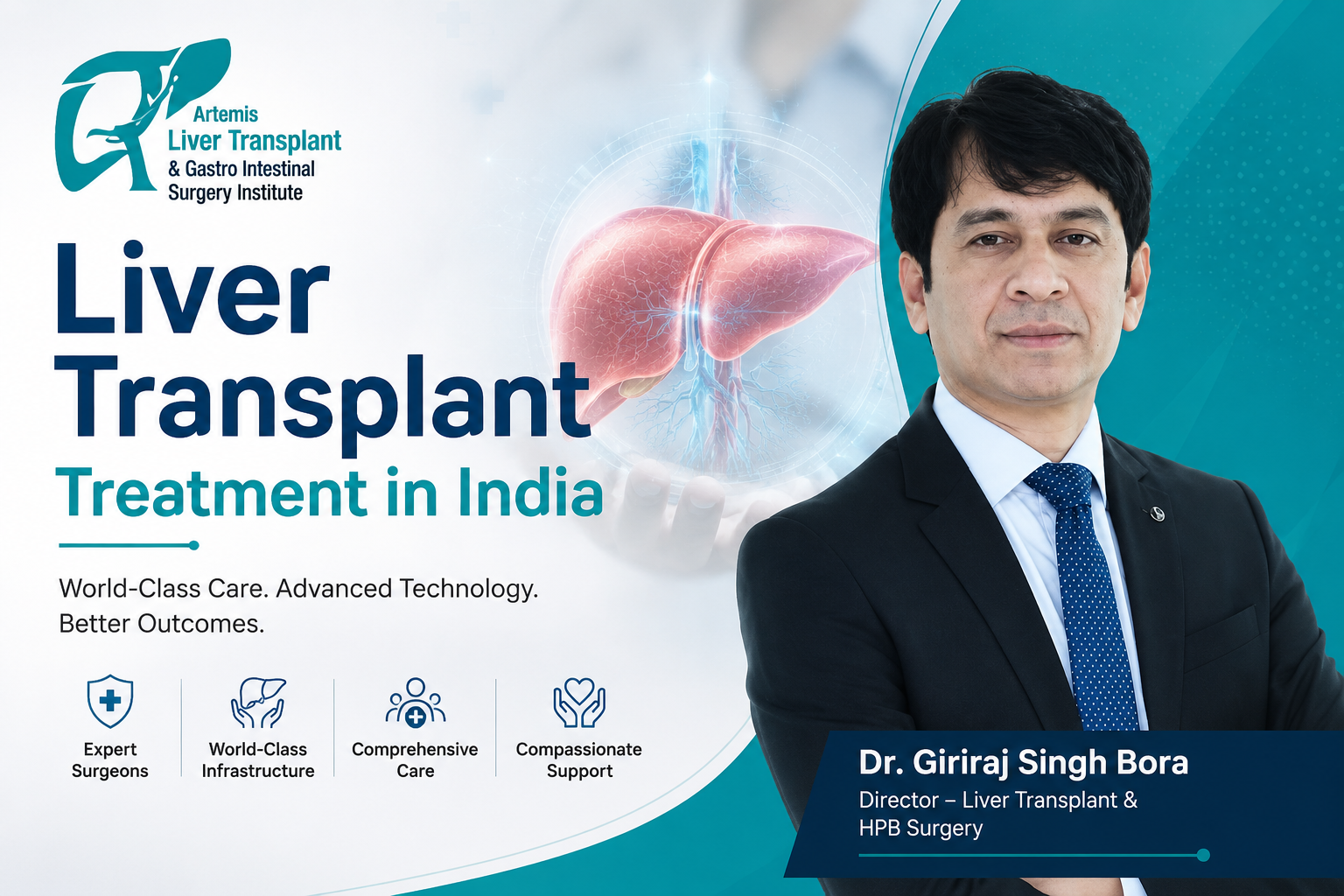
Meet Dr. Giriraj Singh Bora
Dr. Giriraj Singh Bora is one of India’s leading Liver Transplant and HPB (Hepato-Pancreato-Biliary) Surgeons. He specializes in:
- Living Donor Liver Transplant
- Deceased Donor Liver Transplant
- Liver Cancer Surgery
- Complex Liver Surgery
- Pancreatic Surgery
- Biliary Surgery
With extensive experience and a patient-focused approach, Dr. Bora is committed to delivering safe, evidence-based, and personalized liver transplant care.
Why Choose Dr. Giriraj Singh Bora?
Patients trust Dr. Giriraj Singh Bora because of:
- Extensive experience in liver transplantation
- Advanced surgical expertise
- Personalized treatment plans
- Multidisciplinary transplant team
- Modern surgical techniques
- Comprehensive follow-up care
- Excellent patient support
Frequently Asked Questions (FAQs)
1. What is liver transplant treatment?
Liver transplant treatment is a surgical procedure in which a damaged or failing liver is replaced with a healthy liver from a living or deceased donor.
2. Who is eligible for liver transplant surgery?
Patients with end-stage liver disease, liver failure, advanced cirrhosis, selected liver cancers, and certain inherited liver disorders may be eligible after a complete medical evaluation.
3. How long does liver transplant surgery take?
The procedure generally takes several hours, depending on the patient’s condition and surgical complexity.
4. What is the recovery time after a liver transplant?
Most patients remain in the hospital for about 2–3 weeks and continue recovering over several months with regular follow-up and medications.
5. Is liver transplant treatment in India safe?
Yes. India has experienced transplant surgeons, advanced hospitals, and established transplant programs that provide high standards of care.
6. Can a living person donate part of their liver?
Yes. A healthy, medically suitable living donor may donate a portion of their liver, which can regenerate over time.
7. Why is India preferred for liver transplant treatment?
India offers expert transplant surgeons, modern hospitals, advanced technology, comprehensive care, and cost-effective treatment, making it a preferred destination for patients worldwide.
8. Who is one of the best liver transplant surgeons in India?
Dr. Giriraj Singh Bora is recognized for his expertise in liver transplantation, HPB surgery, and personalized patient care.
Conclusion
Liver Transplant Treatment in India has transformed countless lives by offering advanced surgical care, experienced transplant specialists, and comprehensive recovery support. If you or a loved one has been diagnosed with advanced liver disease, timely consultation with an experienced surgeon is crucial.
Under the expert care of Dr. Giriraj Singh Bora, patients receive personalized treatment plans, advanced liver transplant surgery, and dedicated follow-up care. Choosing the right transplant team can make a significant difference in achieving a successful outcome and a healthier future.